Running Linux

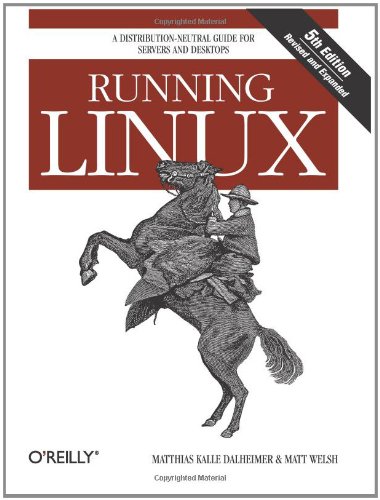
CHEAP,Discount,Buy,Sale,Bestsellers,Good,For,REVIEW, Running Linux,Wholesale,Promotions,Shopping,Shipping,Running Linux,BestSelling,Off,Savings,Gifts,Cool,Hot,Top,Sellers,Overview,Specifications,Feature,on sale,Running Linux Running Linux

Running Linux Overview
You may be contemplating your first Linux installation. Or you may have been using Linux for years and need to know more about adding a network printer or setting up an FTP server. Running Linux, now in its fifth edition, is the book you'll want on hand in either case. Widely recognized in the Linux community as the ultimate getting-started and problem-solving book, it answers the questions and tackles the configuration issues that frequently plague users, but are seldom addressed in other books.
This fifth edition of Running Linux is greatly expanded, reflecting the maturity of the operating system and the teeming wealth of software available for it. Hot consumer topics such as audio and video playback applications, groupware functionality, and spam filtering are covered, along with the basics in configuration and management that always have made the book popular.
Running Linux covers basic communications such as mail, web surfing, and instant messaging, but also delves into the subtleties of network configuration--including dial-up, ADSL, and cable modems--in case you need to set up your network manually. The book can make you proficient on office suites and personal productivity applications--and also tells you what programming tools are available if you're interested in contributing to these applications.
Other new topics in the fifth edition include encrypted email and filesystems, advanced shell techniques, and remote login applications. Classic discussions on booting, package management, kernel recompilation, and X configuration have also been updated.
The authors of Running Linux have anticipated problem areas, selected stable and popular solutions, and provided clear instructions to ensure that you'll have a satisfying experience using Linux. The discussion is direct and complete enough to guide novice users, while still providing the additional information experienced users will need to progress in their mastery of Linux.
Whether you're using Linux on a home workstation or maintaining a network server, Running Linux will provide expert advice just when you need it.
Running Linux Specifications
The Linux operating system has made a lot of progress in the past few years, and Running Linux has progressed right along with it to remain the single best general-purpose book for curious computer users who want to install, use, and enjoy Linux. The team of authors present a text that's simultaneously detailed and readable. Coupled with an inquisitive and capable reader, that's a recipe for success with the world's most popular open-source operating system. This new edition adds coverage of the GNOME desktop environment, the Apache/MySQL/PHP server suite, and the Postfix mail transfer daemon. It also covers core capabilities and behaviors of Linux through kernel version 2.4. There's better coverage of network security (including firewalling and ADSL link configuration), and coverage of how to set up audio-related hardware and software.
Perhaps best of all, this book conveys a sense of the "Linux attitude" as the authors see it. Linux, they say, is largely about experimentation, research, trial and error, and participation in a community. This comes in welcome contrast to books that focus on recipes (follow these steps to accomplish A; do these things to make your system do B). Though the authors of this book provide lots of how-to information, it's always presented with an eye toward further exploration. In explaining how to build the kernel, for example, the authors provide six concise steps as a reference, but then go on for several pages about designing makefiles and how to deal with error messages. This book's a treat. --David Wall
Topics covered: Assuming you know next to nothing about Linux, socially and historically as well as technically, this book teaches you what you need to know to make the operating system meet your desktop and server computing requirements. Coverage takes you from preparing to install Linux (in a multi-OS environment if you wish), continues through system administration and the most useful applications (like TeX and Internet clients), and proceeds to cover programming tools and server daemons (notably Apache, MySQL, and PHP). The coverage is mostly generic, but peculiarities of Red Hat, SuSE, and Debian get attention, too.
